
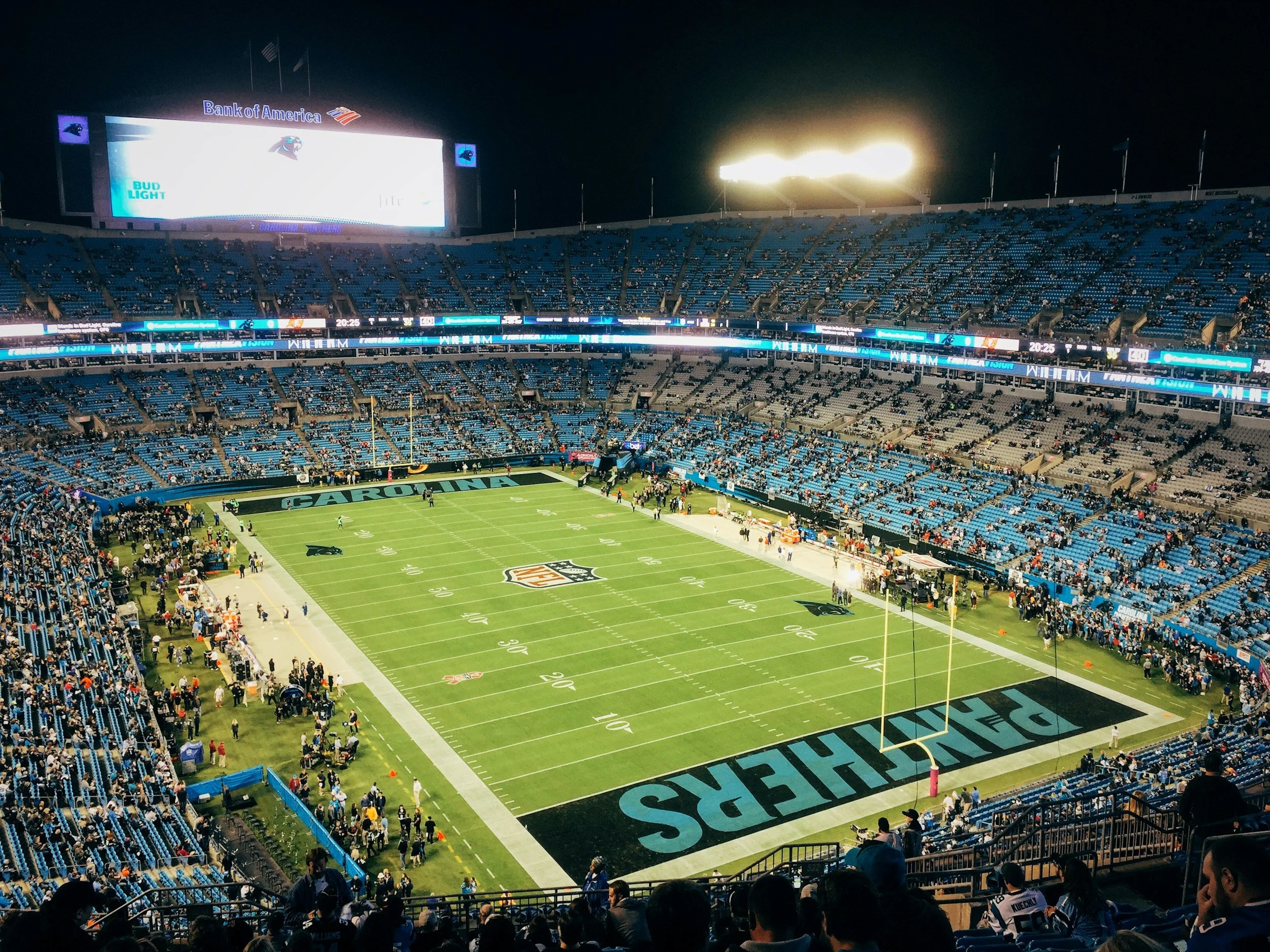
SITUATIONAL ANALYSIS
Understanding when to call specific plays based on down, distance, field position, and game context. Football is a situational game. Play calling is dictated by down and distance, field position, clock, and defensive tendencies. Successful offenses understand these situations and adjust accordingly to stay efficient, control the game, and create scoring opportunities.
1ST DOWN
The foundation of the drive, focused on staying ahead of the chains.
GOAL:
Gain efficient yardage, typically 4 to 6 yards or more. Stay in manageable situations.PLAY TYPES:
Inside Zone, Split Zone, Duo, Power, RPO concepts like Glance and Bubble, Play Action.DEFENSIVE EXPECTATION:
Balanced fronts and base coverages, often with a run-first mindset.KEY IDEA:
Set up the drive and future play calls.THOUGHT PROCESS:
Stay balanced. Establish the run game. Take calculated shots.2ND DOWN
2ND AND SHORT (1 to 3 yards)
Opportunity to stay aggressive or take a shot downfield.
GOAL:
Create explosive plays. Maintain drive momentum.PLAY TYPES:
Play Action shot plays, Deep concepts, Gap runs.DEFENSIVE EXPECTATION:
Aggressive, expecting run.KEY IDEA:
Take advantage of overcommitment.2ND AND MEDIUM (4 to 6 yards)
Most flexible down with full access to the playbook.
GOAL:
Stay on schedule. Keep the defense off balance.PLAY TYPES:
Run game, Intermediate concepts, RPO.DEFENSIVE EXPECTATION:
Balanced, unsure of play call.KEY IDEA:
Remain unpredictable and efficient.2ND AND LONG (7 plus yards)
Get back into a manageable third down.
GOAL:
Gain positive yardage. Avoid third and long.PLAY TYPES:
Screens, Draw, Quick game, Intermediate passing concepts.DEFENSIVE EXPECTATION:
Pass rush and softer coverage.KEY IDEA:
Take what the defense gives to get back on schedule.3RD DOWN
3RD AND SHORT (1 to 3 yards)
High percentage conversion situation.
GOAL:
Move the chains.PLAY TYPES:
QB sneak, Iso, Duo, Power.DEFENSIVE EXPECTATION:
Heavy fronts and run focus.KEY IDEA:
Win physically at the point of attack.3RD AND MEDIUM (4 to 6 yards)
Execution and timing are critical.
GOAL:
Create separation. Attack underneath coverage.PLAY TYPES:
Mesh, Stick, Drive, Quick game.DEFENSIVE EXPECTATION:
Mix of zone and man with controlled pressure.PROTECTION FOCUS:
Handle four-man rush and identify pressure.KEY IDEA:
Precision and timing over complexity.3RD AND LONG (7 plus yards)
Defense expects pass and pressure.
GOAL:
Manage pressure. Create conversion opportunities.PLAY TYPES:
Screens, Draw, Vertical concepts, Checkdowns.DEFENSIVE EXPECTATION:
Pressure and deeper coverage shells.PROTECTION FOCUS:
Expect pressure and define hot answers.KEY IDEA:
Stay composed and take available yardage.RED ZONE
The field is condensed and space is limited.
GOAL:
Score touchdowns.PLAY TYPES:
Slant and Fade, Pick concepts such as Mesh and rubs, Power, Duo, Play Action.DEFENSIVE EXPECTATION:
Compressed coverage and tighter windows.KEY IDEA:
Create space through alignment, leverage, and timing.BACKED UP (OWN END ZONE)
Field position and ball security are critical.
GOAL:
Avoid negative plays. Create space.PLAY TYPES:
Inside Zone, Quick game, Safe Play Action.DEFENSIVE EXPECTATION:
Aggressive, looking for negative plays.KEY IDEA:
Eliminate risk and protect the football.2-MINUTE OFFENSE
A tempo driven situation focused on efficiency and clock management.
GOAL:
Move the ball quickly. Preserve clock. Get into scoring range.PLAY TYPES:
Sideline routes such as Out and Comeback, Quick game, Seam and vertical concepts, RPO.DEFENSIVE EXPECTATION:
Soft coverage, protecting sidelines and preventing explosive plays.KEY IDEA:
Balance urgency with control.FIELD AWARENESS:
Know field goal range, time remaining, and timeout situation at all times.THOUGHT PROCESS:
Operate with tempo. Use sidelines and timeouts. Limit negative plays.TIMEOUT USAGE:
Use timeouts when tackled in bounds and time is limited.
Preserve at least one timeout for late-drive or red zone situations.
Avoid early timeouts unless necessary to prevent significant time loss or confusion.4-MINUTE OFFENSE
A late game situation focused on controlling the clock and finishing the game.
GOAL:
Maintain possession. Run clock. Avoid turnovers.PLAY TYPES:
Inside Zone, Split Zone, Duo, Power, High percentage runs, Safe Play Action.DEFENSIVE EXPECTATION:
Aggressive fronts focused on stopping the run.KEY IDEA:
Control tempo and finish the game.BALL SECURITY:
No unnecessary risks. Protect the football at all costs.THOUGHT PROCESS:
Stay in bounds. Force the defense to use timeouts. Control the pace of the game.TIMEOUT USAGE:
Force the defense to use their timeouts by staying in bounds.
Avoid going out of bounds unless necessary for a first down or game-sealing play.
Use offensive timeouts only to avoid delay of game or critical errors.4TH DOWN
A high leverage situation requiring confident execution.
GOAL:
Convert or score.PLAY TYPES:
Best concepts, High percentage plays, QB sneak in short yardage.DEFENSIVE EXPECTATION:
Aggressive and situationally aware.DECISION FACTORS:
Field position, distance, time remaining, and game situation.KEY IDEA:
Confidence in execution matters more than play selection.FIELD POSITION
Field position impacts risk tolerance and play selection.
OWN TERRITORY:
Play more conservative. Protect possession and avoid negative plays.MIDFIELD:
Balanced approach. Increased willingness to take calculated risks.OPPONENT TERRITORY:
More aggressive mindset. Focus on scoring opportunities.Situational football is connected. Each decision influences the next play, the next drive, and the overall flow of the game. Good offenses run plays. Great offenses understand situations.